
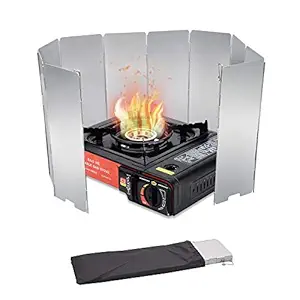
ALUMINUM ALLOY: The folding stove windscreen is made of durable heat-resistant & lightweight aluminium alloy Camping Wood Stove , excellent in wear resistance and corrosion resistance and also easy to clean.
PROBEROS 84 * 24Cm Windshield For Camping Wood Stove With Nylon Drawstring Pouch,10 Plates Aluminum Folding Windproof Screen For Camping Stove Windpscreen Stand For Camping Stove, Camping Accessories
Original price was: ₹881.00.₹489.00Current price is: ₹489.00.
Description
Camping Wood Stove
Your Reliable Outdoor Cooking Companion
When you’re in the heart of nature, far from the conveniences of modern life, one essential piece of gear can make all the difference: a camping wood stove. Whether you’re deep in the wilderness, at a cozy campsite, or simply enjoying a weekend escape, a wood stove allows you to cook meals, boil water, and stay warm—without relying on fuel canisters or electricity.
In this guide, we’ll explore everything you need to know about camping wood stoves—from how they work and their benefits, to how to choose the right one, maintain it, and use it safely.
1. What Is a Camping Wood Stove?
A camping wood stove is a compact, portable stove designed for outdoor use, powered by wood as its primary fuel source. Unlike gas or electric stoves, wood stoves use twigs, branches, pinecones, or other biomass that you can gather from the natural surroundings. This makes them not only eco-friendly but also cost-effective and self-reliant.
They are designed with efficiency in mind—providing a controlled, safe, and focused flame that can boil water, cook meals, or heat a tent in colder environments.
2. Key Features of a Quality Camping Wood Stove
A well-designed camping wood stove has a range of features that optimize its performance and ease of use:
a. High Heat Output
Efficient combustion chambers and airflow control allow wood stoves to reach high temperatures quickly, making cooking fast and effective.
b. Portability
Most camping wood stoves are collapsible, foldable, or compact in design—lightweight enough to carry in a backpack or attach to your gear.
c. Fuel Versatility
Though primarily designed for wood, many stoves can also burn biomass like dried leaves, bark, pine needles, or even solid fuel tablets.
d. Durable Construction
Stainless steel or titanium construction provides durability, rust resistance, and heat tolerance—important for rugged outdoor use.
e. Stable Cooking Surface
Grates or flat tops allow you to place pots or pans securely, reducing the risk of tipping during cooking.
f. Efficient Airflow Design
Vents and chambers improve combustion efficiency, producing less smoke and more heat from minimal fuel.
3. Benefits of Using a Camping Wood Stove
a. Fuel Independence
You don’t need to carry gas canisters or buy fuel. You can gather sticks and twigs from your surroundings, reducing pack weight and cost.
b. Environmentally Friendly
Wood is a renewable resource. Using a wood stove reduces the carbon footprint associated with fossil fuels.
c. Long-Term Use
There are no pressurized components or electronics, making wood stoves incredibly durable and dependable over time.
d. Dual Purpose
Many camping wood stoves double as both a cooking appliance and a heat source—especially useful in cold weather camping.
e. No Waste
Unlike gas stoves that leave behind empty canisters, wood stoves leave little or no trace when used responsibly.
4. Common Types of Camping Wood Stoves
Camping wood stoves come in various designs, each suited for different needs and environments.
a. Box or Folding Stoves
These stoves fold flat for easy packing and feature a boxy design for efficient burning and stable cooking.
b. Rocket Stoves
Designed to maximize fuel efficiency and airflow, rocket stoves use a vertical combustion chamber to burn twigs or sticks with intense heat and minimal smoke.
c. Tent Wood Stoves
These are larger, enclosed stoves used inside canvas tents (with proper venting) for heating and cooking. Ideal for cold-weather camping.
d. Cylinder or Chimney Stoves
Featuring a tall chimney design, these stoves provide a strong updraft that increases heat and reduces smoke. Great for high-efficiency cooking.
5. Materials Used in Camping Wood Stoves
a. Stainless Steel
Rust-resistant, durable, and affordable—stainless steel is a common and reliable choice for camping stoves.
b. Titanium
Extremely lightweight and strong, titanium stoves are popular among ultralight backpackers but tend to be more expensive.
c. Cast Iron
Very durable and retains heat well, but heavy—more suitable for base camp setups rather than backpacking.
6. How to Use a Camping Wood Stove
Step 1: Choose a Safe Location
Use a flat, non-flammable surface. Keep clear of dry grass, leaves, or other combustibles. Avoid using inside enclosed spaces unless the stove is tent-safe and properly vented.
Step 2: Gather Fuel
Collect dry sticks, twigs, pinecones, or other suitable biomass. Avoid wet or resinous wood for cleaner burns.
Step 3: Build the Fire
Use small kindling and a firestarter (natural or commercial) to ignite the stove. Gradually add larger pieces as the fire grows.
Step 4: Maintain the Flame
Keep feeding small amounts of wood regularly. Don’t overfill. Adjust airflow if your stove has vents to control intensity.
Step 5: Cook and Enjoy
Place your cookware securely on the stove and cook as needed. When done, let the fire burn out fully and cool before packing.
7. Ideal Uses for a Camping Wood Stove
a. Backpacking and Trekking
Compact models are ideal for solo or group expeditions in remote areas where carrying fuel isn’t practical.
b. Car Camping and Overlanding
Larger or heavier stoves offer more cooking space and can handle bigger pots and pans for family meals.
c. Survival and Emergency Preparedness
In power outages or disaster scenarios, a wood stove offers a reliable heat and cooking source.
d. Bushcraft and Wilderness Skills
Wood stoves fit perfectly into bushcrafting setups where self-reliance and traditional skills are key.
e. Ice Fishing or Hunting Camps
Tent-compatible wood stoves offer heat and cooking capabilities in cold, remote environments.
8. Safety Considerations
a. Never Use Indoors Without Venting
Only use wood stoves inside properly vented canvas tents or shelters. Carbon monoxide is deadly and odorless.
b. Fire Safety
Always monitor your stove. Keep water or sand nearby. Fully extinguish the fire before leaving the area.
c. Use Heat Shields When Needed
Protect the ground or tent floor with a heat-resistant mat or shield under the stove.
d. Keep Away from Children and Pets
The stove’s surface becomes extremely hot during use—exercise caution around others.
9. Maintenance and Care Tips
-
Clean Ashes Regularly: Empty ashes after each use to maintain airflow and combustion.
-
Inspect Before Trips: Check for rust, cracks, or warping—especially if the stove has folding parts.
-
Store in a Dry Place: Moisture can cause rusting, especially in stainless steel models.
-
Oil or Season Cast Iron: Prevent rust by applying a light coat of oil if using cast iron models.
-
Use a Carry Bag: Protect other gear and keep ash/dirt contained during transport.
10. Comparing Wood Stoves to Other Camping Stoves
| Feature | Wood Stove | Gas Stove | Alcohol Stove |
|---|---|---|---|
| Fuel Cost | Free (biomass) | Paid (canisters) | Inexpensive |
| Availability | High (natural fuel) | Limited (carry only) | Variable |
| Weight | Moderate to light | Light | Ultralight |
| Setup Time | Quick | Very quick | Quick |
| Boil Time | Moderate | Fast | Slow |
| Eco Impact | Low | Medium (canister waste) | Low |
| Maintenance | Moderate | Low | Low |
11. Popular Brands and Models
Some leading names in the camping wood stove market include:
-
Solo Stove – Known for ultra-efficient, smokeless burning.
-
Toaks Titanium Stove – Popular among ultralight hikers.
-
Winnerwell – Offers high-end tent stoves for winter camping.
-
Ohuhu Camping Stove – A budget-friendly stainless-steel option.
-
Firebox Stove – Modular, folding stove systems with high versatility.
12. Real User Testimonials
“I’ve used my wood stove on three backpacking trips now. It’s lightweight, easy to set up, and I love not carrying fuel!” – James B.
“My Winnerwell stove turned our cold tent into a cozy cabin during a snowy trip to the Rockies. Couldn’t recommend it more.” – Claire R.
“Takes a bit of time to get the fire going, but once it’s burning, the cooking is easy and efficient.” – Leo M.
13. Frequently Asked Questions (FAQs)
Q: Is it legal to use a camping wood stove anywhere?
A: Not always. Check local regulations—some areas restrict open flames or solid fuel stoves during fire bans.
Q: Can I use wet wood?
A: It’s best to use dry wood. Wet wood will smoke excessively and won’t burn efficiently.
**Q: How long does
Only logged in customers who have purchased this product may leave a review.
Reviews
There are no reviews yet.