
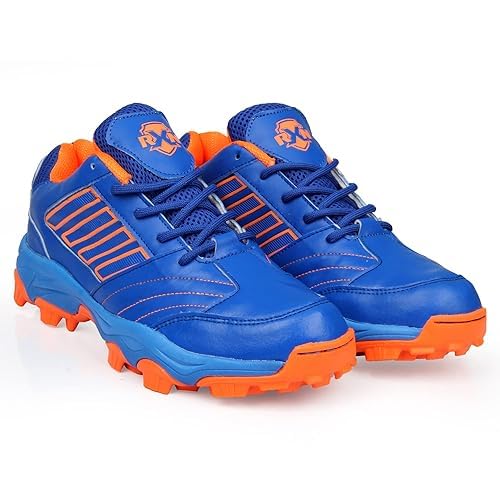
Upper: Mesh with PVC
RXN Hockey Shoes for Men | HS-11 Hockey Sports Shoes with Upper Synthetic Leather with Mesh Lining & Phylon Sole with Rubber Outsole (Blue, UK Footwear Size System, Adult, Men, Numeric, Medium, 7)
Original price was: ₹1,275.00.₹1,274.00Current price is: ₹1,274.00.
Description
Hockey Shoes
A Comprehensive Guide
1. Introduction
Hockey Shoes Field hockey is a fast‑paced game involving sprinting, abrupt stops and starts, quick changes in direction, and demands for grip, protection, stability, and comfort. While much attention often goes to the stick, the ball, or strategy, the role of footwear is absolutely vital. The right pair of hockey shoes can enhance performance, reduce injury risk, improve Hockey Shoes traction, and raise confidence. Conversely, ill‑fitting or inappropriate shoes hamper agility, cause discomfort, and can contribute to long‑term foot or ankle problems.
This guide dives into what field hockey shoes are, how they’ve evolved, what they’re made of, what features matter, the different types available, how to choose your ideal pair, how to maintain them, and what to watch out for.
2. History & Evolution
-
Origins: Early field hockey was often played on natural grass, sometimes rough, muddy terrain. Players used basic leather shoes, often repurposed boots or generic athletic footwear. Grip was poor, comfort limited, and durability a constant concern.
-
Move to specialized footwear: As artificial surfaces (sand‑filled turfs, water‑based turfs) became common and the speed and intensity of play increased, footwear needed adapting. Shoes were developed with better soles, more traction, more ergonomic support, toe protection, and better materials.
-
Modern advances: Use of synthetics, Hockey Shoes mesh, engineered rubber outsoles, cushioning technologies, lightweight reinforcements, specific tread patterns, ankle support features, etc. Also, shoes tailored for different pitch types (grass, sand, water, indoor) have become standard.
-
Role of brands & innovation: Brands like ASICS, Adidas, Grays, Mizuno, Under Armour etc., have introduced proprietary technologies—gel cushioning, dedicated toe caps, reinforcements, various midsole foams, etc.—to meet the evolving demands of both amateurs and elite players. Bestforshoes+3Best Hockey Gear Reviews 2024+3hockeycastle.com+3
3. Key Requirements: What a Great Hockey Shoe Must Deliver
To serve its function well, a field hockey shoe must address multiple, often competing, needs. The best shoes balance these:
3.1 Traction & Grip
-
The outsole must offer excellent grip on turf, Hockey Shoes which varies in wetness and surface type. Without proper grip, players slip, lose balance, and can’t execute explosive movements.
-
The pattern and style of studs or lugs on the sole are critical. Some shoes have multidirectional tread patterns, pivot points, or small cleats/studs that grip artificial turf. hockeycastle.com+2John Sport Map+2
3.2 Stability & Support
-
Because field hockey involves lateral (side‑to‑side) movements, sudden pivots, accelerations and decelerations, shoes must provide good stability in heel, midfoot, and sometimes ankle.
-
Reinforcements on toe, side panels; good heel counters; midfoot supports; sometimes ankle collars. These features help in preventing ankle rolls, keeping the Hockey Shoes foot securely in place. hockeycastle.com+2John Sport Map+2
3.3 Cushioning & Shock Absorption
-
The sole needs to absorb impact (when running, Hockey Shoes jumping, landing, changing direction) to protect joints (ankles, knees, hips), and also reduce fatigue.
-
Midsoles made of EVA foam, gel inserts or cushioning pads (e.g. ASICS GEL line) help in shock distribution. Heel cushioning is often more pronounced. Best Hockey Gear Reviews 2024+2Bestforshoes+2
3.4 Lightweight and Flexibility
-
Heavier shoes slow players down, hinder agility. So materials used should keep weight down, without sacrificing durability or protection.
-
The upper should flex well especially around Hockey Shoes the forefoot to allow natural toe‑push off, flexibility in sprints and quick turns. Mesh, synthetic overlays, or engineered knitted fabrics are often used. hockeycastle.com+2hockeycastle.com+2
3.5 Protection
-
Toe caps to protect from Hockey Shoes Hockey Shoes stray balls, sticks.
-
Side protection (especially outer side) for impacts.
-
Sometimes water resistance or at least water‑repellent uppers, because turf can be damp, wet etc. Shoes Technologies+1
3.6 Fit & Comfort
-
Proper sizing is essential: a slightly snug heel, enough space in forefoot (especially considering thick socks or shin guards).
-
Good insole cushioning, breathable Hockey Shoes lining, ventilation to reduce heat and sweat.
-
Weight distribution, how the shoe carries Hockey Shoes your foot—not just size but width, arch support, etc. hockeycastle.com+1
4. Anatomy & Materials
Understanding what parts of a hockey shoe are and what materials are used helps in evaluating how good a shoe might be.
4.1 Upper
-
Materials: Often made of synthetic leather, mesh fabric, or a combination. Synthetic leather offers durability, ease of maintenance; mesh offers breathability, lighter weight. Some uppers use overlays (synthetic or rubber) to reinforce high Hockey Shoes abrasion points (toe box, outer side, lace area). Bestforshoes+1
-
Water resistance: Some uppers include Hockey Shoes water‑resistant coatings or membranes to reduce water absorption. Others are designed to dry quickly.
4.2 Midsole
-
The part between upper and outsole, Hockey Shoes responsible Hockey Shoes for cushioning and comfort. Materials often used: EVA foam, PU foam, sometimes special gel or air pads in brands like ASICS.
-
Often shaped to provide stability (firmer in midfoot or heel), sometimes with internal shanks or plates for torsional rigidity.
4.3 Outsole
-
The bottom of the shoe, it contacts the playing Hockey Shoes surface. Usually made of durable rubber compounds.
-
The outsole pattern matters: number, Hockey Shoes shape, depth of studs/lugs; pivot zones; whether the shoe is meant for artificial turf, water‑based turf, indoor floors, or mixed surfaces. Best Hockey Gear Reviews 2024+2hockeycastle.com+2
4.4 Toe & Heel Protection
-
Reinforced toe boxes (rubber, molded Hockey Shoes plastics, Hockey Shoes or extra synthetic overlays) to guard against impact from a ball or stick.
-
Heel counters (external or internal) to stabilize heel movement, limit slippage, reduce risk of heel blistering or sprain.
4.5 Lacing / Closure Systems
-
Traditional laces are common, but sometimes Hockey Shoes with eyelets reinforced or with lace loops.
-
Some models include strap or bootie‑like Hockey Shoes inner system to enhance lockdown (i.e., how firmly the foot is held to avoid sliding inside the shoe).
4.6 Insole / Sockliner
-
Removable or fixed insoles that provide additional cushioning and comfort. Sometimes with arch supports.
-
Lining materials that manage moisture (wick sweat), and limit rubbing or hotspots.
5. Types of Field Hockey Shoes
Not all hockey shoes are the same. There are different Hockey Shoes types depending on surface, position, play style, and player preferences.
5.1 Turf Shoes / Astro‑Turf Shoes
-
Made for artificial turf surfaces (sand‑filled or water‑based).
-
Outsoles usually have many small rubber Hockey Shoes studs or shallow lugs (short cleats), or textured bottoms, to grip turf without damaging it.
-
The studs are usually shorter, stiffer, and more evenly distributed to distribute pressure.
5.2 Cleated Field Shoes
-
For natural grass or soft ground, cleated Hockey Shoes stadiums. These have longer studs or blades to dig into soft ground. Not used on artificial turf usually because they cause damage.
5.3 Indoor Shoes
-
For indoor surfaces (wood, synthetic floors, gym). These have Hockey Shoes flat, non‑marking rubber soles. Design focuses more on traction and cushioning rather than stud traction.
5.4 Hybrid / All‑Surface Shoes
-
Shoes that are designed to work reasonably on Hockey Shoes multiple types of surfaces though usually with some tradeoffs. Might have outsole designs that try to balance grip on turf and durability.
5.5 Position or Role‑Specific Variants
-
Attackers / forwards: prioritize lightweight, quick flex, agility.
-
Midfielders: balance of comfort, durability, and ability to cover more ground.
-
Defenders: more protection, stronger toe caps, more stability.
-
Goalkeepers: may need shoes with more toe/side protection, more stability for lateral diving, etc.
6. Key Features and Technologies
Here are some of the special features or technologies shoe‐makers use to improve performance.
-
Cushioning technologies (e.g. GEL, foam, padding). For example, ASICS often use GEL cushioning to absorb shocks. Best Hockey Gear Reviews 2024
-
Pivot points on outsoles to facilitate quick turns or circular movements. Helps reduce stress on joints. Best Hockey Gear Reviews 2024+1
-
Reinforced toe & side overlays for protection. hockeycastle.com+1
-
Breathable mesh panels to help ventilation. Helps reduce heat, sweating, moisture which can lead to blisters or discomfort. hockeycastle.com+1
-
Water‑resistant coatings or materials that shed water to help in wet turfs.
-
Weight optimization: balancing protection vs weight. Lightweight foams, thinner but strong overlays etc.
-
Fit systems / lockdown: extra strap, inner bootie, foam padding around ankle, heel grip.
7. Performance Considerations
How well a pair of shoes performs depends on how its features match your usage.
7.1 Surface Matching
-
A shoe optimized for wet water‑based turf may have different stud depth or pattern than one for dry sand‑based turf.
-
Using wrong type: e.g. studs too long can cause instability or risk of injury on firm surfaces; soles too flat won’t grip on soft or wet ground.
7.2 Movement Demands
-
With quick direction changes, side‑to‑side cutting, acceleration/deceleration, the shoe must respond. If outsole is too stiff, may not allow pivoting; if upper too rigid, may restrict movement or cause hotspots.
7.3 Durability vs Weight Trade‑off
-
A shoe heavily reinforced in toe, sides, heel will last longer but be heavier. For some players, weight is more critical (for speed), for others durability or protection is more important.
7.4 Comfort and Fatigue
-
Good cushioning, good ventilation, good fit reduce fatigue over a match or training session. If shoe is tight, blister risk; if loose, risk of slipping, instability, injuries.
8. How to Choose the Right Pair
Here are guidelines to help you pick the right field hockey shoes.
-
Identify your playing surface(s)
Know whether you mostly play on artificial turf (water or sand‑based), natural grass, indoor floors. Match shoes to the main surface. -
Understand your foot type & fit needs
Are your feet narrow, wide? High arch or flat? Do you need more arch support? Do you wear thicker socks/shin guards? Always try the shoe with the socks/gear you’ll use in play. -
Position & play style
If you sprint often, need agility: prioritize lightweight, flexible models. For defenders or those in physical play: more protective, more stable shoes. -
Budget
Higher end shoes have more advanced materials & technologies, but mid‑range often gives a lot of value. Consider how often you play; frequent use means investing more may pay off. -
Try before purchase
Walk, jog, make cuts in the shoes. Check for discomfort, heel slippage, toe rubbing. Check outsole grip. Ensure weight acceptable. -
Check brand & reviews
Reputable brands usually have quality control. Pay attention to reviews, particularly from people playing on similar surfaces. -
Allow for wear & replacement
Even a good pair will wear out: outsole studs flatten, cushioning compresses, uppers may tear. Plan for replacing shoes when performance (grip, stability, comfort) degrades.
9. Common Brands & Models / Examples
Here are some examples of popular shoes used by field hockey players:
-
ASICS GEL Typhoon series: known for GEL cushioning, helpful for players wanting both comfort and grip. Best Hockey Gear Reviews 2024
-
Grays Burner: lightweight, often used by attackers; good traction over surfaces. Best Hockey Gear Reviews 2024
-
Adidas Lux series: durable with lightweight upper, good choice for many players. hockeycastle.com
-
Mizuno Wave Lightning Z4 Turf Shoes: blend of traction, support, agility. hockeycastle.com
10. Fit & Sizing Tips
-
Size up vs your regular shoe size if needed, especially if using thick socks or shin guards.
-
Try shoes later in the day when feet are more swollen (for better fit).
-
Check heel slip: when you walk or jog, does your heel lift or slip? If yes, possibly a larger heel counter or different model.
-
Forefoot room: toes should have a little space, especially if toe slams when running forward.
11. Maintenance & Longevity
-
Cleaning: Remove turf debris, mud, water after playing. Clean with soft brush, damp cloth. Avoid soaking.
-
Drying: Air dry; avoid direct heat (like heaters, radiators) which warp materials.
-
Rotation: If possible, have two pairs and rotate—gives time for materials to recover, and extends life.
-
Storage: In cool, dry place; avoid compressing shoes; keep out of direct sunlight.
12. Common Problems & How to Address Them
-
Grip loss / flat studs: Outsole wears; studs or lugs flatten → less traction. Replace shoes or, if possible, get resoling (rare).
-
Upper damage: Abrasion from turf, contact with sticks or barriers; may tear or fray. Choose reinforced toe/side; patch or use protective sprays/coatings.
-
Blisters / hotspots: Usually due to poor fit, rubbing, bad lacing. Use good socks, break‑in period, adjust laces.
-
Cushioning loss: Midsole materials flatten/compact with use; less shock absorption → more fatigue or discomfort. When you notice shoes feel harsher, it’s time to replace.
-
Water damage or smell: If shoes absorb water, dry them properly; use antimicrobial sprays or insoles if needed to reduce odor.
13. Innovations & Trends
-
Eco‑friendly materials: More shoes using recycled synthetics, sustainable manufacturing.
-
Customized fit: Brands offering models with different width/fitting options or adjustable features.
-
Advanced cushioning systems: New foam blends, gels, air pockets.
-
Improved traction designs: Smarter sole patterns for various turf types (especially newer water‑based turfs).
-
Toe safety designs: More robust toe caps, reinforced uppers especially in zones likely to receive impact.
-
Weight reduction without sacrificing strength: Use of lightweight synthetics, structural overlays, thinner but stronger materials.
14. Why the Right Shoe Matters: Performance & Injury Prevention
-
Enhanced agility & speed: Good grip, flexible sole, lightweight shoes help players accelerate, pivot, change direction faster.
-
Reduced fatigue: Proper cushioning, fit, ventilation reduce energy loss, heat build‑up, discomfort.
-
Injury risk: Shoes with poor grip or support can lead to slips, ankle twists, knee strain. Inferior toe protection can result in toe crush injuries.
-
Long‑term comfort: Repeated impact causes stress on feet, shins, knees. Foot posture, arch support, cushioning affect long‑term joint health.
-
Confidence: If you trust your shoes to perform (grip when needed, not slipping, toe protected) you can focus fully on the game rather than worrying about your feet.
15. Cost & Value
-
Price range: Field hockey shoes vary from budget models (simple designs, basic materials) to premium ones with advanced tech.
-
What adds cost: Branded cushioning tech, waterproofing, reinforced toe caps, complex outsoles, high quality materials, fit options.
-
Value decisions: Sometimes spending more gives longer life or better performance. But if you only play occasionally, mid‑range shoes might give almost all the needed performance.
-
Resale / replacement cycle: High usage wears shoes out faster. Think of cost per hour of usage.
16. Summary / Conclusion
Field hockey shoes are far more than just footwear—they are essential performance tools that bridge your body with the turf. The right pair will enhance grip, speed, agility, comfort, and safety; the wrong pair can slow you, risk injury, or limit your performance.
Only logged in customers who have purchased this product may leave a review.
Reviews
There are no reviews yet.