
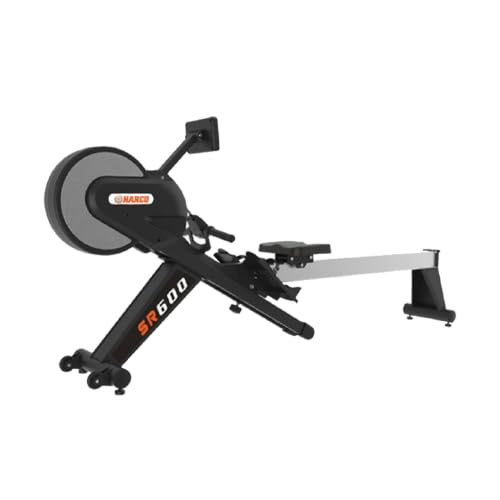
Advanced Resistance: Magnetron Wind Resistance with 16 levels, adjustable via panel and handle wireless controls.
HC HARCO CART Air Rowing Machine/Commercial Cardio Metallic Machine Black SR 600
Original price was: ₹99,008.00.₹76,160.00Current price is: ₹76,160.00.
Description
Rowing Machine — In‑Depth Description
1. What Is a Rowing Machine?
Rowing Machine A rowing machine (often called a rower or ergometer) is a fitness device that simulates the motion of rowing a boat. It provides a dual benefit:
-
Cardiovascular (aerobic) training
-
Full‑body muscular engagement
You slide on a seat, push with your legs Rowing Machine, use your core to stabilize, and pull with your arms. The motion is cyclic and is usually broken down into phases like catch, drive, finish, and recovery.
The machine offers adjustable resistance Rowing Machine(via air, water, magnetic, or hydraulic systems) to vary the intensity. This flexibility makes it suitable for beginners to elite athletes.
2. Key Components & How It Works
Understanding what makes a rowing Rowing Machine machine work helps in choosing the right one and using it well.
| Component | Function / Importance |
|---|---|
| Frame / Rail | A sturdy, durable rail supports the seat. Rowing Machine Needs to accommodate full leg extension, especially for taller users. Smooth sliding is crucial. |
| Seat | Should glide smoothly, be comfortable Rowing Machine, and aligned properly. Padding helps, but stability and alignment matter more. |
| Handle / Grip | Needs to be ergonomic — comfortable hold, good action, minimal strain. Handle length and shape affect comfort and form. |
| Footrests / Straps | Secure footrests with adjustable straps ensure safety and proper power transfer. Poor footrests lead to inefficiency and discomfort. |
| Resistance Mechanism | Determines how you feel the effort. Main types are: air (fan), water, magnetic, hydraulic. Each has pros/cons in noise, feel, space, cost. |
| Monitor / Console | Displays key metrics: time, distance, strokes per minute, calories, sometimes watts, split times. Rowing Machine Advanced models sync with apps, show virtual courses. |
| Base / Stabilization | Wide feet, stable base, good build quality to prevent wobble even when rowing hard. |
3. Types of Resistance & Their Characteristics
Different resistance types offer different experiences, and each suits different preferences and environments.
| Resistance Type | Feel / Experience | Noise Level | Maintenance | Ideal Use Case |
|---|---|---|---|---|
| Air Resistance | Dynamic: harder you pull, more resistance. Very natural feel. | Moderate to Rowing Machine loud (fan noise) | Regular cleaning of fan, belt/chain lubrication | Gyms, people wanting realistic rowing feel and high intensity workouts. |
| Water Resistance | Realistic “on‑water” feel; soothing sound of water. | Moderate; water sloshing can be heard | Occasional water treatment, maintenance of paddle parts | For those wanting immersive feel, slower pace workouts too. |
| Magnetic Resistance | Very smooth, consistent resistance; silent operation in many models. | Low noise Rowing Machine | Fewer moving parts, lower maintenance | Home use, apartments, early morning/late night sessions. |
| Hydraulic / Pistons | More compact, different feel (shorter stroke; sometimes less fluid) | Quiet to moderate | Replace pistons if worn; ensure seals don’t leak | Users with limited space; casual or light‑to‑moderate use. |
4. Benefits / Advantages
Here are the major advantages of using a rowing machine, supported by research and expert opinion:
-
Full‑body workout: Rowing engages Rowing Machine many major muscle groups — legs (quads, calves, glutes), back, core, arms. It isn’t just about arm pulling. Healthline+2Hydrow+2
-
Efficient calorie burn: Because many muscles are simultaneously working, the metabolic cost is high — lots of calories burned per unit time. Hydrow+2Healthline+2
-
Cardiovascular health: It raises heart rate, improves lung function, increases VO₂ max, helps with aerobic endurance. Healthline+2Hydrow+2
-
Low impact on joints: Unlike running or jumping, rowing puts less stress on knees, hips, ankles. Good option for those with joint issues or recovering from injury. Healthline+1
-
Better posture & core strength: Maintaining proper technique engages core and back muscles; helps with posture off the machine too. Nike.com+2Healthline+2
-
Versatility: Can be used for steady‑state cardio, interval training (HIIT), warm ups, cool downs; works for weight loss, endurance, even power training. The OmniBuzz+2Hydrow+2
-
Space saving and convenience: Some machines fold or are more compact; many are suitable for home use. Lifespan Fitness+2reliablehomefitness.com+2
5. Considerations & What to Look for Before Buying
To ensure you get the best rowing machine for your needs, consider these factors:
-
Build quality & durability
Look for a frame made of steel or high‑grade aluminum; good welds; durable moving parts. A machine that feels stable and solid will last longer and give better performance. reliablehomefitness.com+1 -
User weight limit
Always ensure the rower supports your weight comfortably (plus some margin). This helps for longer lifespan and safety. reliablehomefitness.com -
Stroke length / Rail length
Taller users need a longer rail so they can fully extend legs without feeling cramped. Purchasing without checking this can lead to poor posture or discomfort. reliablehomefitness.com+1 -
Comfort of contact points
Seat padding (or seat construction), handle ergonomics, adjustable footrests. These matter especially for longer sessions. Discomfort can lead to skipping workouts. reliablehomefitness.com -
Noise & environment
If you’ll use it in an apartment, early morning, or shared space, quieter resistance types (magnetic, sealed water) are better. If noise isn’t a constraint, air and water types can be more immersive. The Times of India+1 -
Monitor / Feedback & Program Features
What metrics you get (time, distance, pace, stroke rate, power/watts) and whether there are preset programs, integration with mobile apps, or virtual rowing experiences. These features can make workouts more engaging. Exercisepick+2The Times of India+2 -
Space and storage
Measure space you have for full length (when in use) + clearance behind for legs, overhead if doing inclines or leaning back. Also check whether machine folds or can be stored upright; wheels help in moving it. reliablehomefitness.com+2Lifespan Fitness+2 -
Maintenance & Service
Easier to maintain parts: chain or strap lubrication, water tank care (if water rower), replacement parts, warranty. A good after‑sale service makes a difference. -
Cost vs value
Balance your budget with quality. Sometimes spending more initially on a better machine saves money later (fewer repairs, longer lifespan) and improves the workout experience.
6. Typical Use & Workout Styles
A rowing machine can be used in many ways depending on your fitness goals. Here are some common modes:
-
Steady‑state sessions: Moderate effort over longer durations (20‑60+ minutes) to build cardiovascular fitness and endurance.
-
Interval training (HIIT): Short bursts of high effort followed by rest or lower effort; very efficient for conditioning, fat loss, and improving power.
-
Pyramid and tempo workouts: Gradually increasing and then decreasing intensity or time; good for stamina and variety.
-
Time/distance challenges: Eg: row 2,000 meters as fast as possible; track times to improve.
-
Cross‑training & warm‑ups: Use lighter rowing to warm up muscles before strength work; also good for active recovery.
7. Who It’s For
The rowing machine suits a wide range of users:
-
Beginners who want a safe, low‑impact cardio option with full‑body benefit.
-
Intermediate & advanced fitness enthusiasts wanting endurance, calorie burn, or alternate cardio routines.
-
People with joint issues or recovering from injury (if doctor approves), since rowing is gentler on knees and hips.
-
Home‑gym owners who need a versatile machine with smaller footprint.
-
Athletes or serious rowers looking for performance tracking, higher stroke accuracy, or competition style machines.
8. Limitations & Things to Be Aware Of
No machine is perfect; here are some drawbacks or challenges to consider:
-
Proper form is essential. Poor technique (e.g. using arms too much, hunching back) can lead to strain or back pain.
-
Some resistance types (air, water) can be noisy. If noise matters, you’ll have to balance between feel and quiet.
-
Space needed: even foldable models still require full length when in use; ceiling height matters too.
-
Cost: high‑end rowers with advanced monitors, virtual courses, or premium resistance types can become expensive.
-
Smart features may need subscriptions or have extra cost.
9. What Makes a “Great” Rowing Machine
To stand out, a rower should combine many of the following:
-
Stable, durable build with high user weight capacity
-
Smooth, realistic resistance and transition in intensity
-
Comfortable ergonomics: seat, handle, footrests
-
Good feedback/metrics: easy to read, accurate, useful for tracking progress
-
Versatile use: from light recovery to intense workout
-
Reasonable noise level for the intended environment
-
Efficient storage or footprint
-
Reliable warranty and support
10. Customer Benefits & Outcomes
Here are what users typically get when they use a rowing machine regularly:
-
Improved stamina and cardio health
-
Weight loss & fat burn when combined with good diet
-
Leaner, more toned muscles across legs, back, arms, core
-
Better posture, reduced back pain (from core strengthening)
-
Efficient use of time — getting both cardio + strength / endurance work
-
Mental benefits: rhythm, stress reduction, sense of progress
11. Buying Tips
If you’re ready to buy, here’s a checklist to help:
-
Set your budget and prioritize features (e.g. resistance type, monitor, space).
-
Measure your space: length, width, and clearance behind/above.
-
Try out models if possible — see/feel the sliding seat, resistance, comfort.
-
Read reviews focusing on long‑term durability and how the rower handles higher intensities.
-
Check on spare parts availability and warranty.
-
Think ahead — you may want to increase workout intensity, so pick something that has room to grow.
12. Summary
A rowing machine is one of the most efficient, versatile pieces of fitness equipment you can own. It delivers full‐body workouts, strengthens cardio fitness, burns calories, supports joint health, and offers many possible configurations (resistance types, features, etc.). If you invest wisely — focusing on build, ergonomics, resistance, and comfort — you’ll get a machine that serves you well for years.
Only logged in customers who have purchased this product may leave a review.
Reviews
There are no reviews yet.